Wondering which Southern Pines neighborhood style actually fits the way you want to live? That is one of the biggest questions buyers face here, because Southern Pines is not a one-note market. From historic bungalow streets to golf-centered communities and newer edge-of-town settings, each area offers a different daily rhythm. If you want to narrow your search with more confidence, this guide will walk you through the main neighborhood styles in Southern Pines and who they tend to suit best. Let’s dive in.
Why Southern Pines Feels So Varied
Southern Pines blends several distinct neighborhood patterns into one market. The town describes itself as a place with a historic downtown, restaurants, boutiques, coffee shops, parks, greenways, and historic sites, with more than 12 miles of greenways throughout the area.
That variety matters when you start house hunting. In Southern Pines, your best match often comes down to how you want your day to feel, not just the number of bedrooms or the age of the house.
Historic Bungalow Neighborhoods
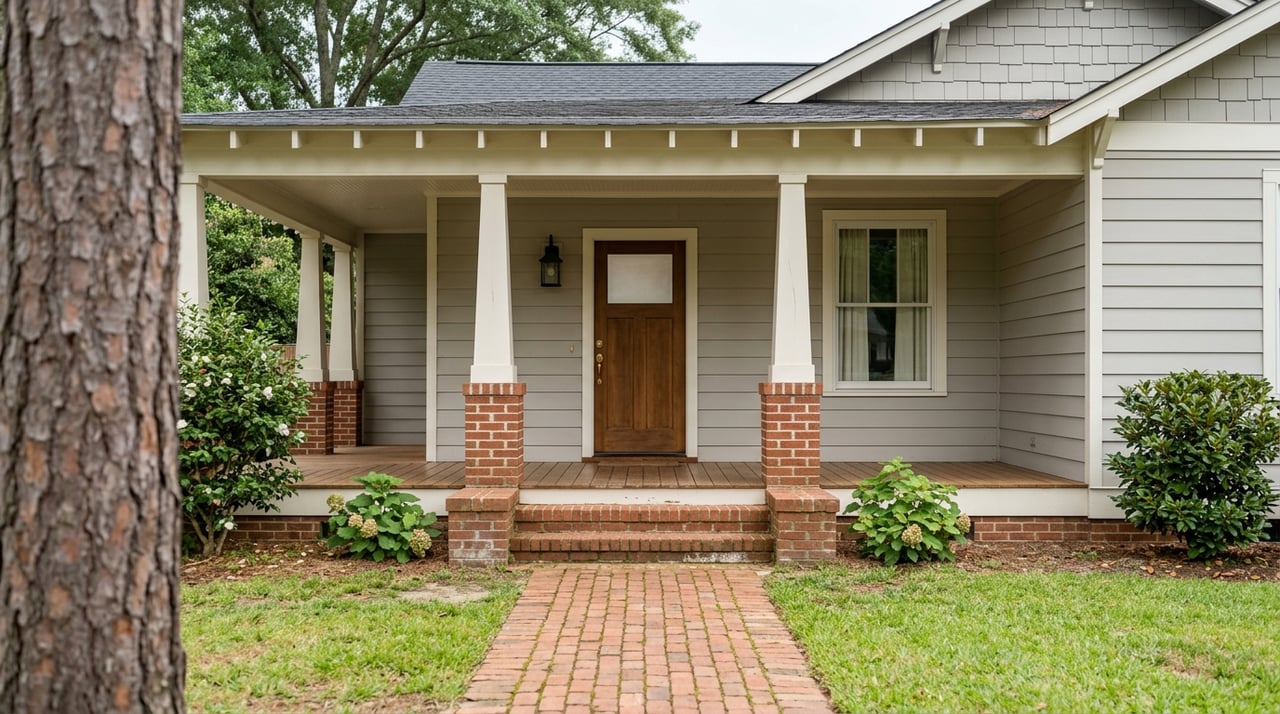
If you love architectural detail and front-porch charm, Southern Pines’ historic areas may catch your eye first. The town’s design guidelines describe Craftsman bungalows as roughly 1.5-story homes with low-pitched roofs, overhanging eaves, large front dormers, and front porches supported by brick piers or tapered wood columns.
These neighborhoods also include Colonial Revival and other early 20th-century home styles. The overall feel is classic, established, and visually distinctive, which makes these streets especially appealing if you want a home with character that stands out from a more standard subdivision layout.
Who Historic Areas Often Suit
Historic neighborhoods can be a strong fit if you want:
- Original architectural details
- A porch-oriented streetscape
- Mature surroundings with a preservation-minded feel
- A location tied closely to Southern Pines’ historic identity
These areas often appeal to buyers who care as much about atmosphere as floor plan. If you want a home that feels rooted in place, this style can be very compelling.
What to Know About Historic Review
There is an important practical difference in the designated historic district. The Historic District Commission reviews exterior construction, alterations, and demolition, and it issues certificates of appropriateness.
That does not make ownership harder, but it does mean exterior projects can involve more process than they would in a typical subdivision. If flexibility for future exterior changes is high on your list, that is worth weighing early.
Downtown-Adjacent Living
For many buyers, being near downtown is about convenience and energy. The town describes downtown as home to shops, dining, parks, and community gathering spaces, and notes that many historic sites and some parks are within walking or biking distance.
Downtown Park adds to that appeal with events such as Movies in the Park, Autumnfest, and the seasonal farmers market. If you enjoy being close to local activity without feeling fully urban, downtown-adjacent areas can offer a nice middle ground.
What the Setting Feels Like
The town’s character work describes the downtown core as classic and Colonial Revival in feel, with brick facades, buildings set on the street, rear parking, and a mix of small detached homes and townhomes. As you move outward, the setting becomes more residential and less urban.
That means your experience can vary even within a short distance. Some homes feel tied closely to downtown’s walkable pattern, while others offer a quieter residential setting that still keeps local amenities nearby.
Who Downtown-Adjacent Areas Often Suit
This style can work well if you want:
- Easier access to downtown shops, dining, and events
- A blend of character and convenience
- A neighborhood with more central access points
- A lifestyle that may include walking or biking to some destinations
If you like the idea of living near activity while keeping a neighborhood feel, these areas deserve a closer look.
West Southern Pines
West Southern Pines has its own distinct identity. The town describes it as a one- to two-story district with Craftsman and frame or masonry vernacular homes, narrow streets, few intermittent sidewalks, large lots and setbacks, mature tree canopy, deep covered porches, and minimal lighting.
That combination creates a softer, more residential atmosphere. It can feel shaded, established, and less formal than a newer planned community.
Who West Southern Pines Often Suit
West Southern Pines may be a fit if you want:
- Older-home character
- Larger setbacks and roomier lots
- Mature trees and natural shade
- A residential setting near downtown amenities
For buyers who want charm without being in the center of downtown, this area often offers a balanced option. The feel is central, but the streetscape is more relaxed.
Golf And Amenity Communities
Some buyers are not just choosing a home. They are choosing a lifestyle built around club access, recreation, and social programming. In Southern Pines, golf and amenity-oriented communities can be a very different experience from historic or downtown-adjacent neighborhoods.
Research sources highlight several examples. Talamore offers multi-club membership categories, resort-style pools, fitness centers, walking and bike trails, and tennis. Longleaf Golf & Family Club offers an 18-hole course, practice facilities, a members-only pool, dining, the U.S. Kids Golf Academy, and social functions. Pine Needles Lodge & Golf Club is a historic golf resort with lodging, dining, instruction, and access to sister courses.
Who Golf Communities Often Suit
These communities often appeal to buyers who want daily life centered on amenities such as:
- Golf
- Club dining
- Fitness options
- Pools and recreation
- Social events and programming
This can be especially attractive for second-home buyers, retirees, or anyone looking for a built-in leisure routine. The home matters, of course, but the club environment is often a major part of the decision.
Compare More Than The House
When you tour homes in golf-oriented communities, it helps to look beyond finishes and square footage. Membership structures, amenity access, and the way residents use the club can vary.
That is why it is smart to compare the full lifestyle package before narrowing your focus. Two homes may look similar on paper, but the day-to-day experience can feel very different depending on the community setup.
Newer Infill And Redevelopment Areas
If you prefer a more contemporary layout or fewer preservation-related constraints, newer infill and transition areas may be worth watching. Southern Pines’ 2040 Comprehensive Plan says infill should blend with nearby neighborhoods through compatible site orientation, bulk, massing, proportion, and lot size.
The town’s character-district planning also points to downtown-adjacent areas that are poised for redevelopment, with an emphasis on walkability, street-oriented design, and flexible standards where appropriate. In some places, newer housing may feel more shaped by lot pattern, zoning, and street design than by historic ornament.
Who Newer Infill Often Suit
These settings may work well if you want:
- A more contemporary feel
- Less emphasis on historic detailing
- A layout tied to newer development patterns
- Proximity to changing or evolving areas of town
One transition pocket the town specifically discusses is the area bounded by W. Morganton Road, Old U.S. Highway 1, and Route 1. Planning work notes that this area could support more density and more organized development, along with pedestrian improvements to strengthen downtown connections.
Nature-Forward Edge Areas
Not every buyer wants to be close to downtown activity or club life. Some people want open space, trails, and a quieter pace. In Southern Pines, edge areas with outdoor access can offer that kind of setting.
Whitehall at Reservoir Park includes 157 acres, a 95-acre lake, trail connections, longleaf pine stands, an 18-acre disc golf course, and planned additional trails. Combined with the town’s broader greenway system, these areas add another layer to the Southern Pines lifestyle picture.
Who Nature-Forward Areas Often Suit
These areas may be a better fit if you want:
- Easy access to trails and open space
- A quieter outdoor rhythm
- Natural scenery as part of daily life
- Less emphasis on immediate downtown walkability
For some buyers, that tradeoff is exactly the point. If your ideal afternoon includes a walk near the water or trail time instead of being near shops and events, these locations can be very appealing.
Key Questions To Ask As You Compare
As you narrow your options, it helps to compare neighborhoods by daily routines and obligations, not just style. Southern Pines gives you enough variety that small differences can shape your experience in a big way.
Here are a few smart comparison points:
- Will you want walkable or bikeable access to downtown destinations?
- Do you prefer mature tree canopy and older streetscapes, or newer layouts?
- Are club amenities a benefit you will use often?
- Are you comfortable with historic district review for exterior changes?
- Would you rather prioritize open space and trails over central access?
- Do you need to understand zoning rules that affect uses like tourist homes in certain areas?
The town also notes that tourist homes are allowed only in certain zoning areas and are regulated to protect residential neighborhoods. If that question matters to your search, it is worth reviewing early rather than assuming the same rules apply everywhere.
Choosing The Right Fit In Southern Pines
The best Southern Pines neighborhood for you depends less on labels and more on how you want to live. Historic bungalow streets offer visible character and a preservation-minded setting. Downtown-adjacent and West Southern Pines areas offer central access with a more residential feel. Golf communities bring amenities to the forefront, while newer infill and edge areas can offer a more contemporary or outdoors-focused lifestyle.
If you want help sorting through those differences, local guidance makes a real difference. A neighborhood that looks perfect online may feel very different once you understand its streetscape, review process, amenities, and day-to-day rhythm. If you are ready to compare Southern Pines neighborhoods with a local, relationship-first approach, connect with Rhonda Edwards for thoughtful guidance tailored to your goals.
FAQs
What are the main neighborhood styles in Southern Pines?
- Southern Pines is commonly understood as a mix of historic downtown streets, historic residential districts, golf-oriented communities, and newer infill or edge-of-town areas.
What should buyers know about Southern Pines historic districts?
- In the designated historic district, exterior construction, alterations, and demolition are reviewed by the Historic District Commission, which issues certificates of appropriateness.
What is West Southern Pines like for homebuyers?
- The town describes West Southern Pines as a one- to two-story area with older home styles, narrow streets, large lots and setbacks, mature tree canopy, deep porches, and a quieter residential feel.
What makes downtown-adjacent Southern Pines appealing?
- Downtown-adjacent areas can appeal to buyers who want easier access to shops, dining, parks, events, and some walking or biking connections while still keeping a neighborhood feel.
What should buyers compare in Southern Pines golf communities?
- Buyers should compare not only the home itself, but also club membership structure, amenity access, recreation options, dining, and how the community’s lifestyle fits their routine.
Are there outdoor-focused neighborhood options in Southern Pines?
- Yes. Areas near destinations like Whitehall at Reservoir Park can appeal to buyers who want trails, open space, lake access, and a quieter pace with strong outdoor connections.